

Connecting LED chips to the power supply in a flood lamp is a crucial process that requires a good understanding of electrical principles and proper techniques. As a supplier of LED Flood Lamp Parts, I've witnessed firsthand the importance of getting this connection right for the optimal performance of flood lamps. In this blog, I'll share a comprehensive guide on how to connect LED chips to the power supply in a flood lamp.
Understanding the Basics
Before we dive into the connection process, it's essential to understand the key components involved. LED chips are the light - emitting elements of the flood lamp. They are semiconductor devices that emit light when an electric current passes through them. The power supply, on the other hand, provides the necessary electrical energy to drive the LED chips.
LED chips typically have specific voltage and current requirements. These requirements vary depending on the type, size, and number of LED chips. For example, a single high - power LED chip may require a higher voltage and current compared to multiple low - power LED chips connected in a series or parallel configuration.
Selecting the Right Power Supply
The first step in connecting LED chips to the power supply is to select the appropriate power supply. The power supply should be able to provide the correct voltage and current for the LED chips. There are two main types of power supplies for LED flood lamps: constant voltage and constant current.
A constant voltage power supply maintains a fixed output voltage regardless of the load. This type of power supply is suitable for LED chips that are connected in parallel. For instance, if you have a set of low - power LED chips that are rated for a specific voltage, a constant voltage power supply can ensure that each chip receives the required voltage.
A constant current power supply, on the other hand, maintains a fixed output current. It is ideal for LED chips that are connected in series. Since the current flowing through a series - connected circuit is the same at all points, a constant current power supply can prevent over - current situations that could damage the LED chips.
When choosing a power supply, you also need to consider its efficiency, power factor, and protection features such as over - voltage, over - current, and short - circuit protection. These features can enhance the reliability and lifespan of the LED flood lamp.
Preparing the LED Chips and the Flood Lamp Housing
Once you've selected the right power supply, it's time to prepare the LED chips and the flood lamp housing. The LED chips should be carefully inspected for any damage or defects. Make sure that the pins of the LED chips are clean and free from oxidation.
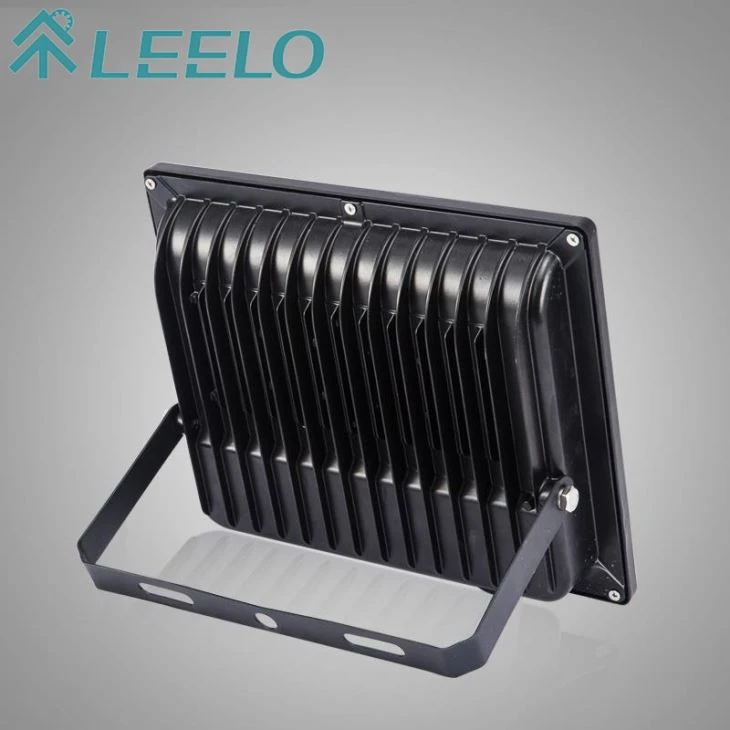
The flood lamp housing also plays an important role in the connection process. It provides mechanical support and protection for the LED chips and the power supply. We offer a variety of high - quality flood lamp housings, such as the Classical Die - casting Aluminum Housing 30W LED Lighting Fixtures LED Flood Light and the Classical Flood Light Casing LED Flood Light Housing In Zhongshan Leelo Lighting Company. These housings are designed to dissipate heat effectively, which is crucial for the performance and longevity of the LED chips.
Before installing the LED chips, clean the inside of the flood lamp housing to remove any dust or debris. You may also need to drill holes in the housing for the power supply wires and other components if necessary.
Connecting the LED Chips
There are two common ways to connect LED chips: series connection and parallel connection.
Series Connection
In a series connection, the positive terminal of one LED chip is connected to the negative terminal of the next LED chip. The total voltage across the series - connected LED chips is the sum of the individual voltages of each chip, while the current flowing through all the chips is the same.
To connect LED chips in series, follow these steps:
- Identify the positive and negative terminals of each LED chip. Usually, the longer pin is the positive terminal, and the shorter pin is the negative terminal.
- Connect the positive terminal of the first LED chip to the negative terminal of the second LED chip using a suitable wire. Make sure the connection is secure and there is good electrical contact.
- Repeat the process for all the LED chips until you have connected them in a series.
- Connect the positive terminal of the first LED chip in the series to the positive output of the power supply, and the negative terminal of the last LED chip in the series to the negative output of the power supply.
Parallel Connection
In a parallel connection, all the positive terminals of the LED chips are connected together, and all the negative terminals are connected together. The voltage across each LED chip is the same, while the total current is the sum of the currents flowing through each chip.
To connect LED chips in parallel, follow these steps:
- Identify the positive and negative terminals of each LED chip.
- Connect all the positive terminals of the LED chips together using a wire. Do the same for the negative terminals.
- Connect the combined positive terminal to the positive output of the power supply, and the combined negative terminal to the negative output of the power supply.
Wiring and Insulation
After connecting the LED chips, it's important to properly wire the power supply and insulate the connections. Use high - quality wires that are rated for the voltage and current of the circuit. The wires should be of appropriate gauge to minimize power loss and heat generation.
When wiring the power supply, make sure to follow the manufacturer's instructions. Connect the wires securely to the power supply terminals and the LED chip connections. Use wire connectors or soldering to ensure a reliable connection.
Insulation is also crucial to prevent short - circuits and electrical hazards. Use electrical tape or heat - shrink tubing to insulate the exposed wire connections. Make sure that the insulation covers the entire connection area and there are no exposed wires.
Testing the Connection
Once you've completed the wiring and insulation, it's time to test the connection. Before turning on the power supply, double - check all the connections to make sure they are correct and secure.
Turn on the power supply and observe the LED chips. If the LED chips light up evenly and there are no flickering or dimming issues, it means the connection is successful. However, if the LED chips do not light up or there are abnormal lighting conditions, you need to check the connections again. Look for loose wires, short - circuits, or incorrect polarity.

Safety Considerations
Throughout the process of connecting LED chips to the power supply, safety should always be a top priority. Here are some safety tips:
- Always turn off the power supply before making any connections or adjustments.
- Wear appropriate safety gear such as gloves and safety glasses to protect yourself from electrical shocks and other hazards.
- Use insulated tools when working with electrical components.
- Make sure the work area is dry and free from any flammable materials.
Conclusion
Connecting LED chips to the power supply in a flood lamp is a technical process that requires careful planning and execution. By understanding the basics, selecting the right power supply, preparing the components properly, and following the correct connection methods, you can ensure the optimal performance and reliability of the LED flood lamp.
As a leading supplier of LED Flood Lamp Parts, we offer a wide range of high - quality products, including the Waterproof All Aluminum Housing 100w LED No UV Flood Light. If you have any questions about our products or need further assistance with connecting LED chips to the power supply, please feel free to contact us for procurement and negotiation.
References
- “LED Lighting Handbook” by LED Professional Association
- “Electrical Engineering Fundamentals” by various authors in electrical engineering field