

When discussing flood lights, one of the most crucial technical specifications is the luminous flux. Luminous flux, measured in lumens (lm), represents the total amount of visible light emitted by a light source. Understanding the luminous flux of a flood light is essential for various applications, from illuminating large outdoor areas to highlighting architectural features. As a flood light case supplier, I've witnessed firsthand how the right case can influence a flood light's performance, including its luminous flux.
The Concept of Luminous Flux
Luminous flux is a measure of the total quantity of visible light emitted by a light source per unit of time. It takes into account the sensitivity of the human eye to different wavelengths of light. In essence, it tells us how much light a flood light can produce. For example, a flood light with a high luminous flux will be able to illuminate a larger area more brightly compared to one with a lower luminous flux.
The luminous flux of a flood light is affected by several factors. The type of light source is a primary determinant. LED (Light - Emitting Diode) flood lights have become increasingly popular in recent years due to their high efficiency and long lifespan. They can convert a large portion of electrical energy into visible light, resulting in a relatively high luminous flux. Incandescent bulbs, on the other hand, are less efficient as they produce a significant amount of heat along with light, leading to a lower luminous flux for the same amount of power consumed.
The Role of the Flood Light Case
As a flood light case supplier, I understand that the case is not just a protective shell but also an important factor in determining the flood light's performance, especially its luminous flux. A well - designed case can enhance the light output in several ways.
Firstly, the material of the case matters. Aluminum is a popular choice for flood light cases due to its excellent heat dissipation properties. Heat is the enemy of LED flood lights as excessive heat can reduce the efficiency of the LEDs and thus lower the luminous flux. An aluminum case can quickly transfer the heat generated by the LEDs to the surrounding environment, keeping the LEDs at an optimal operating temperature. This ensures that the LEDs can maintain a high level of luminous flux over time. For instance, our High Efficient Aluminum Ultra Slim 30W Outdoor Nano LED Flood Light Housing is made of high - quality aluminum, which helps to keep the LEDs cool and maintain a stable luminous flux.
Secondly, the design of the case can affect the light distribution. A well - designed case can direct the light in a specific direction, increasing the effective luminous flux in the desired area. Some cases are designed with reflectors or lenses that can focus the light, making the flood light more efficient. For example, in large outdoor applications such as stadiums or parking lots, a flood light with a case that can direct the light precisely where it is needed can provide a higher effective luminous flux compared to a light that emits light in all directions.
A Case Study
Let's take a look at a real - world case to better understand the relationship between the flood light case and the luminous flux. Consider a large industrial warehouse that needs to be illuminated. The management initially installed a set of flood lights without high - quality cases. The flood lights had a stated luminous flux of 3000 lumens each, but due to poor heat dissipation and random light distribution, the effective luminous flux in the areas that needed illumination was much lower. The warehouse was not well - lit, and there were many dark spots.
After consulting with us, they decided to replace the flood light cases with our OEM Available Superior Quality 150W Nano Die Cast Aluminum LED Flood Light Housing. These cases were made of die - cast aluminum, which provided excellent heat dissipation. They also had built - in reflectors that could direct the light downwards towards the working areas.
After the replacement, the situation improved significantly. The heat generated by the LEDs was quickly dissipated, and the reflectors in the cases directed the light precisely where it was needed. As a result, the effective luminous flux in the key areas of the warehouse increased by almost 30%. The warehouse was now brightly lit, and the workers could carry out their tasks more safely and efficiently.
Different Models and Their Luminous Flux
We offer a variety of flood light cases to meet different requirements. Each model is designed to work with specific types of light sources to achieve an optimal luminous flux.
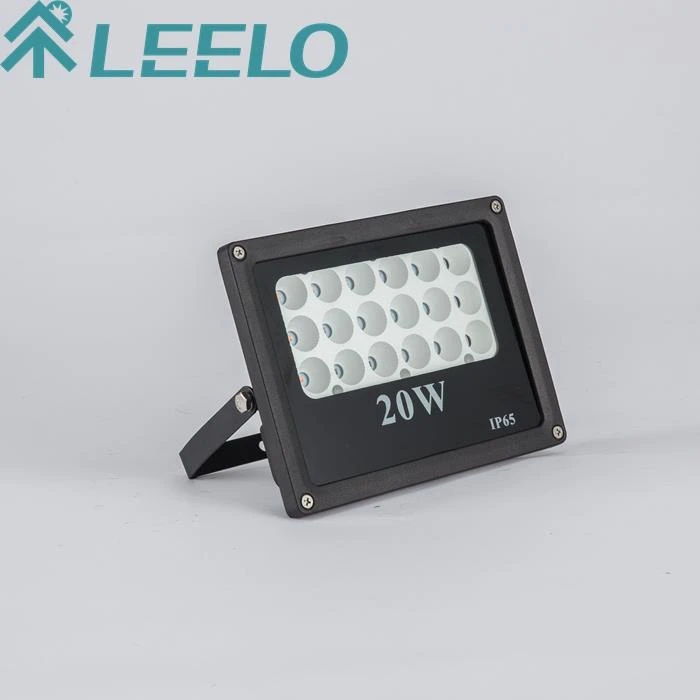
Our High Brightness Aluminum Housing Nano Flood Light Smd Chips 20W with 2years Warranty is designed for applications where a relatively high luminous flux is needed in a compact space. The 20 - watt SMD (Surface - Mount Device) chips, combined with the high - quality aluminum housing, can produce a luminous flux of up to 2500 lumens. The aluminum housing helps to keep the chips cool, ensuring a stable luminous flux over the 2 - year warranty period.
For larger - scale applications, our 150W flood light cases are a great choice. When paired with high - efficiency LEDs, these cases can support a luminous flux of over 20,000 lumens. The die - cast aluminum construction provides excellent heat dissipation, and the internal reflector design helps to direct the light effectively.
Importance of Luminous Flux in Different Applications
The importance of luminous flux varies depending on the application. In outdoor security lighting, a high luminous flux is crucial to ensure that the area is well - illuminated, making it easier to detect any potential threats. A flood light with a high luminous flux can cover a larger area, reducing the number of lights needed and thus the overall cost.

In architectural lighting, the luminous flux is used to create different lighting effects. For example, a flood light with a lower luminous flux can be used to create a soft, ambient light, while a high - luminous - flux flood light can be used to highlight specific architectural features.
In sports lighting, the luminous flux needs to be carefully controlled to ensure that the playing field is evenly lit. A flood light with a high and well - distributed luminous flux can provide a better viewing experience for both the players and the spectators.
Conclusion
In conclusion, the luminous flux of a flood light is a critical factor that determines its performance in various applications. As a flood light case supplier, we play an important role in ensuring that the flood lights can achieve their optimal luminous flux. Our high - quality cases, made of materials like aluminum and with well - designed internal structures, can enhance the heat dissipation and light distribution of the flood lights, thereby increasing their effective luminous flux.
If you are in the market for flood light cases and want to improve the luminous flux and overall performance of your flood lights, we are here to help. Whether you need a case for a small - scale application or a large - scale project, we have the right solution for you. Contact us for more information and to start a procurement discussion.
References
- "Lighting Handbook: Reference and Application", Illuminating Engineering Society of North America.
- "LED Lighting Technology: Principles and Applications", CRC Press.