

Troubleshooting problems with a flood light case is a crucial skill for anyone in the lighting industry, especially for a flood light case supplier like myself. In this blog, I'll share some common issues related to flood light cases and how to troubleshoot them effectively.
1. Physical Damage to the Flood Light Case
One of the most obvious problems with a flood light case is physical damage. This can occur during transportation, installation, or due to external impacts. Cracks, dents, or broken parts in the case can compromise the overall integrity of the flood light and may even affect its performance.

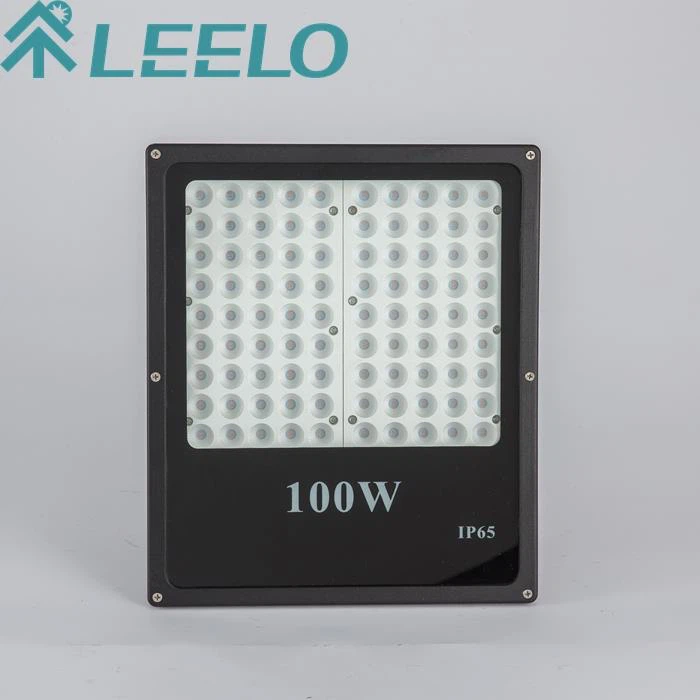
How to Identify Physical Damage
Inspect the flood light case carefully for visible signs of damage. Look for cracks on the surface, especially around the edges and corners. Check if any parts are loose or detached. Sometimes, small cracks may not be immediately visible, so it's important to run your fingers along the surface to feel for any irregularities.
Solutions for Physical Damage
- Minor Cracks and Dents: For minor cracks, you can use a suitable adhesive or sealant to repair them. Make sure the adhesive is compatible with the material of the flood light case. For dents, if the case is made of a malleable material, you may be able to gently reshape it using appropriate tools. However, be careful not to cause further damage.
- Severe Damage: If the damage is severe, such as a large crack or a broken part, it's usually best to replace the entire flood light case. As a supplier, I offer a wide range of high - quality flood light cases, including the New Design LED Flood Light Lamp Shell 50W Die Cast Light Housing without Driver and LED Chips. This product is made of durable materials and can be a great replacement option.
2. Sealing and Waterproofing Issues
Flood lights are often used outdoors, which means they need to be well - sealed and waterproof. If the sealing of the flood light case is compromised, water can enter the case and damage the internal components, such as the driver and the LED chips.
How to Identify Sealing and Waterproofing Issues
- Water Inside the Case: The most obvious sign is the presence of water or moisture inside the flood light case. You may notice water droplets on the inner surface of the case or condensation.
- Corrosion or Rust: Water ingress can lead to corrosion or rust on the metal parts of the case or the internal components. Check for any signs of discoloration or rust on the metal surfaces.
Solutions for Sealing and Waterproofing Issues
- Check the Seals: Inspect the gaskets and seals around the flood light case. Over time, these seals can wear out or become damaged. If you find any damaged seals, replace them with new ones. Make sure the new seals are properly installed and provide a tight fit.
- Re - seal the Case: If the case has been opened for maintenance or repair, ensure that it is properly re - sealed. Use a high - quality sealant around the edges to prevent water from entering. For flood lights that require a high level of waterproofing, consider using a product like the IP65 Outdoor 100W Waterproof High Power LED Flood Light Industrial Fixtures Housing Parts. The IP65 rating indicates that the case is dust - tight and protected against low - pressure water jets from any direction.
3. Heat Dissipation Problems
Flood lights generate a significant amount of heat, especially high - power ones. If the heat is not dissipated properly, it can lead to overheating of the internal components, which can reduce the lifespan of the flood light and affect its performance.
How to Identify Heat Dissipation Problems
- Excessive Heat: Touch the flood light case during operation. If it feels extremely hot to the touch, it may indicate a heat dissipation problem.
- Reduced Performance: Overheating can cause the LED chips to dim or flicker. If you notice a decrease in the brightness or stability of the flood light, it could be related to heat dissipation issues.
Solutions for Heat Dissipation Problems
- Check the Heat Sinks: Most flood light cases are equipped with heat sinks to dissipate heat. Make sure the heat sinks are clean and free from dust and debris. You can use a soft brush or compressed air to clean the heat sinks.
- Upgrade the Case: If the existing flood light case has poor heat dissipation capabilities, consider upgrading to a case with better heat - dissipation features. For example, the 200W Nano Aurora COB Flood Light Housing Leelo Lighting is designed with advanced heat - dissipation technology to ensure efficient cooling of the internal components.
4. Mounting and Installation Issues
Proper mounting and installation of the flood light case are essential for its stability and performance. If the flood light is not mounted correctly, it may vibrate, which can cause damage to the internal components over time.
How to Identify Mounting and Installation Issues
- Vibration: If you notice that the flood light is vibrating during operation, it could be due to improper mounting. Check if the mounting brackets are loose or if the flood light is not firmly attached to the mounting surface.
- Incorrect Alignment: The flood light should be properly aligned to provide the desired lighting effect. If the light is shining in the wrong direction or at an incorrect angle, it may be because of improper installation.
Solutions for Mounting and Installation Issues
- Tighten the Mounting Brackets: Use the appropriate tools to tighten the mounting brackets and ensure that the flood light is firmly attached to the mounting surface.
- Re - align the Flood Light: If the alignment is incorrect, adjust the position of the flood light and re - secure it. Make sure to follow the installation instructions carefully to ensure proper alignment.
5. Compatibility Issues
When replacing or upgrading components inside the flood light case, compatibility can be a major issue. For example, if you install a new driver or LED chips that are not compatible with the flood light case, it can lead to performance problems or even damage to the components.
How to Identify Compatibility Issues
- Malfunctioning Components: If the new components do not work properly or cause the flood light to malfunction, it could be due to compatibility issues. For example, the LED chips may not light up or may flicker if they are not compatible with the driver.
- Overheating or Excessive Power Consumption: Incompatible components can also cause overheating or excessive power consumption. Check the temperature of the components and the power consumption of the flood light to identify any abnormal behavior.
Solutions for Compatibility Issues
- Check the Specifications: Before installing any new components, carefully check the specifications of the flood light case and the components to ensure compatibility. Make sure the voltage, current, and power ratings are compatible.
- Seek Professional Advice: If you are unsure about the compatibility of the components, seek advice from a professional or contact the manufacturer of the flood light case. As a supplier, I can also provide guidance on component compatibility to help you choose the right components for your flood light.
In conclusion, troubleshooting problems with a flood light case requires a systematic approach. By identifying the issues correctly and implementing the appropriate solutions, you can ensure the optimal performance and longevity of your flood lights. If you are in need of high - quality flood light cases or replacement components, feel free to contact me for more information and to discuss your procurement needs. I'm always ready to assist you in finding the best solutions for your lighting projects.
References
- General knowledge in the lighting industry and experience as a flood light case supplier.
- Product specifications and documentation provided by the manufacturers of flood light cases and components.