

As a supplier of flood light fixtures, ensuring the proper grounding of these fixtures is not only a technical necessity but also a crucial safety measure. In this blog, I'll share some insights on how to ensure the proper grounding of flood light fixtures, drawing from my experience in the industry.
Understanding the Importance of Grounding
Grounding is a fundamental electrical safety concept. In the context of flood light fixtures, grounding provides a safe path for electrical current in case of a fault, such as a short - circuit. When a flood light fixture is properly grounded, any stray electrical current will flow through the grounding wire to the earth instead of through a person who might come into contact with the fixture. This significantly reduces the risk of electric shock and can prevent damage to the fixture itself.
Components Involved in Grounding
Grounding Wires
The grounding wire is the primary component that connects the flood light fixture to the ground. It is usually made of copper, which is an excellent conductor of electricity. The size of the grounding wire is important; it should be appropriate for the electrical load of the flood light fixture. For most standard flood light fixtures, a #10 or #12 AWG (American Wire Gauge) grounding wire is sufficient.
Grounding Rods
In outdoor installations, a grounding rod is often used to establish a connection to the earth. The grounding rod is typically made of copper - clad steel and is driven into the ground to a depth of at least 8 feet. It provides a large surface area for the electrical current to dissipate into the earth.
Grounding Terminals
Grounding terminals are used to connect the grounding wire to the flood light fixture and other electrical components. They ensure a secure and reliable connection. There are different types of grounding terminals, such as screw - type terminals and compression - type terminals.
Installation Steps for Proper Grounding
Step 1: Select the Right Location
When installing flood light fixtures, choose a location that is suitable for grounding. Avoid areas with high levels of moisture or where the soil is too rocky. A well - drained area with good soil conductivity is ideal. For example, if you are installing a 100w Aluminum Die Casting LED Flood Light Fixtures in a garden, look for a spot away from standing water and near a solid grounding point.
Step 2: Install the Grounding Rod
Drive the grounding rod into the ground using a sledgehammer or a grounding rod driver. Make sure it is driven deep enough (at least 8 feet) to ensure good contact with the earth. Once the grounding rod is in place, attach the grounding wire to the rod using a grounding clamp. The clamp should be tightened securely to ensure a low - resistance connection.
Step 3: Connect the Grounding Wire to the Fixture
Locate the grounding terminal on the flood light fixture. This is usually marked with a green or bare copper wire. Connect the grounding wire to this terminal using the appropriate grounding terminal. If the fixture has a metal housing, the grounding wire should also be connected to the housing to ensure that any electrical charge on the housing can be safely dissipated.
Step 4: Check the Connection
After making all the connections, use a continuity tester to check if the grounding is proper. The continuity tester will indicate if there is a continuous electrical path from the flood light fixture to the grounding rod. If the tester shows no continuity, there may be a problem with the connection, and you need to re - check and tighten the connections.
Special Considerations for Different Types of Flood Light Fixtures
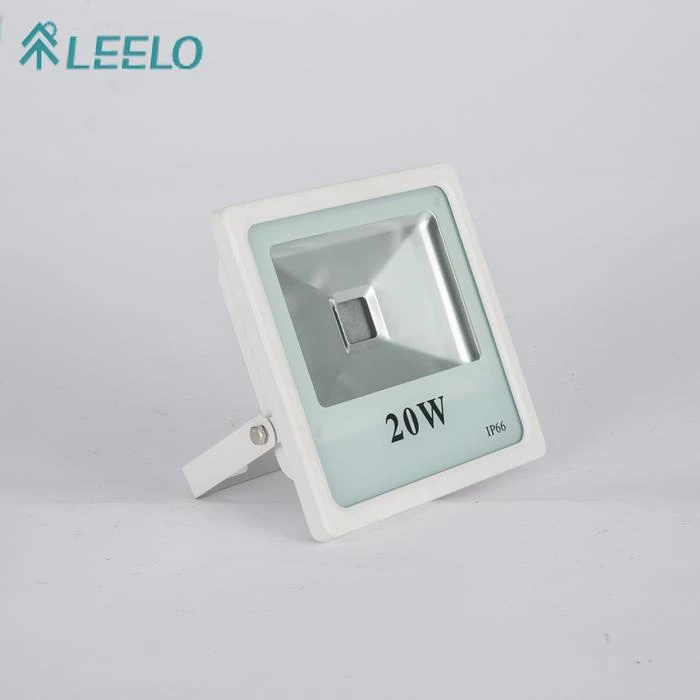
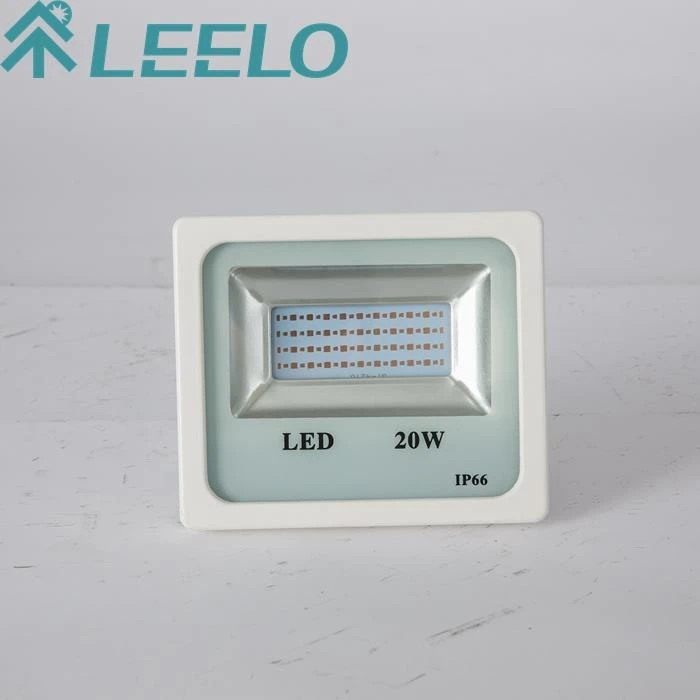
Outdoor IP66 Waterproof 20W Aluminum Flood Light LED Lamp Empty Cases
These types of flood light fixtures are designed for outdoor use and are often exposed to harsh weather conditions. When grounding these fixtures, make sure that all connections are sealed properly to prevent water from entering and causing corrosion. Use waterproof grounding terminals and seals to protect the connections. Additionally, since these fixtures are often installed in areas where there is a risk of flooding, ensure that the grounding rod is installed at a sufficient height above the potential flood level.
New Style LED Flood Light Housing Made in China
The new style LED flood light housings may have different grounding requirements depending on their design. Some may have built - in grounding features, while others may require additional grounding components. When installing New Style LED Flood Light Housing Made in China, carefully read the manufacturer's instructions to ensure that the grounding is done correctly.
Maintenance and Inspection
Proper grounding is not a one - time task; it requires regular maintenance and inspection. Over time, the grounding wire may become loose, corroded, or damaged. Inspect the grounding connections at least once a year, especially after severe weather events. Check for any signs of corrosion on the grounding wire, terminals, and grounding rod. If any damage is found, replace the damaged components immediately.
Conclusion
Ensuring the proper grounding of flood light fixtures is essential for safety and the proper functioning of the fixtures. By following the steps outlined above and considering the special requirements of different types of flood light fixtures, you can minimize the risk of electrical hazards and ensure a long - lasting and reliable installation.
If you are interested in purchasing high - quality flood light fixtures or have any questions about grounding or installation, we are here to help. We offer a wide range of flood light fixtures, including 100w Aluminum Die Casting LED Flood Light Fixtures, Outdoor IP66 Waterproof 20W Aluminum Flood Light LED Lamp Empty Cases, and New Style LED Flood Light Housing Made in China. Contact us for more information and to start a procurement negotiation.
References
- National Electrical Code (NEC)
- IEEE Standard for Electrical Safety in the Workplace
- Manufacturer's Installation Manuals for Flood Light Fixtures