

Hey there! As a supplier of project lamp housings, I often get asked this question: Can a project lamp housing be used with different types of bulbs? Well, let's dive right into it and explore this topic in detail.
First off, let's understand what a project lamp housing is. It's basically the outer shell that holds the bulb and provides protection, support, and sometimes even plays a role in heat dissipation. The design and construction of these housings can vary widely depending on their intended use, power requirements, and the environment they'll be used in.
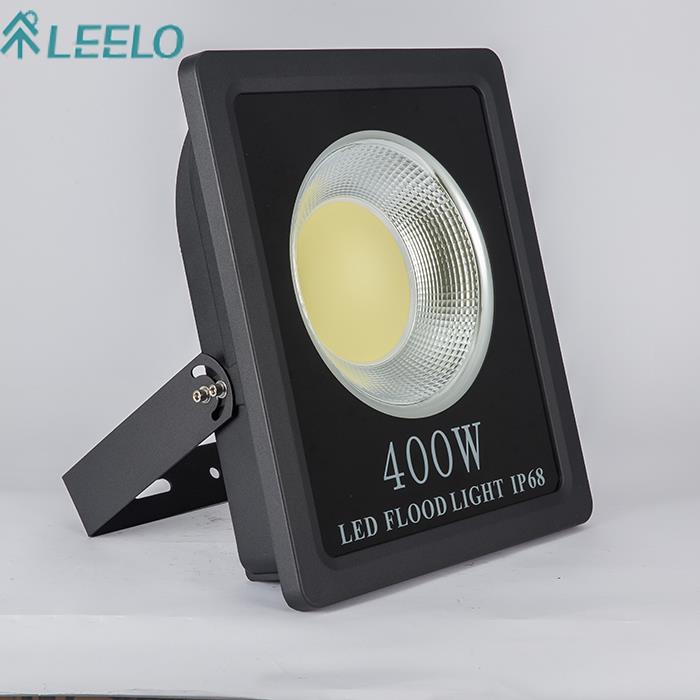

Now, the big question: Can you use different types of bulbs in a project lamp housing? The short answer is, it depends. There are several factors to consider before making that decision.
Compatibility Factors
1. Socket Type
One of the most crucial factors is the socket type. Different bulbs come with different socket designs, such as E26, E12, GU10, etc. If the socket in your project lamp housing doesn't match the bulb's socket, you simply can't use that bulb. For example, an E26 socket is a standard medium screw base commonly used for many household bulbs, while a GU10 socket is a two-pin base often found in halogen and LED spotlights. So, before you try to fit a bulb into a housing, make sure the socket types are compatible.
2. Voltage and Power Rating
Another important consideration is the voltage and power rating. Each bulb is designed to operate at a specific voltage and power level. If you use a bulb with a higher power rating than the housing is designed for, it can lead to overheating, which not only shortens the lifespan of the bulb but can also pose a fire hazard. On the other hand, using a bulb with a lower power rating might not provide the desired level of illumination.
For instance, our 20W 30W 50W Outdoor Aluminum COB LED Flood Light Projector IP66 Lamp Housing is specifically designed to work with bulbs within the 20 - 50W power range. Using a 100W bulb in this housing would be a big no-no.
3. Heat Dissipation
Heat is the enemy of bulbs and electrical components. Bulbs generate heat when they're in use, and the housing needs to be able to dissipate that heat effectively to prevent damage. Some bulbs, like incandescent bulbs, produce a lot of heat, while others, like LED bulbs, are much more energy - efficient and produce less heat.
If you're using a housing designed for an LED bulb and try to fit an incandescent bulb in it, the housing might not be able to handle the extra heat, leading to premature failure of the bulb or even damage to the housing itself. Our 100W to 500W Die Casting Aluminum Outdoor LED Housing for Flood Light is built with excellent heat dissipation capabilities to handle the high - power LED bulbs it's intended for.
4. Beam Angle and Light Distribution
The beam angle and light distribution of the bulb also matter. Different bulbs have different beam angles, which determine how the light spreads. Some project lamp housings are designed to work with bulbs that have a specific beam angle to achieve the desired lighting effect. For example, if you're using a housing for a spotlight, you'll want a bulb with a narrow beam angle to focus the light in a specific area.
Types of Bulbs and Their Compatibility
Incandescent Bulbs
Incandescent bulbs are the traditional type of bulbs that have been around for a long time. They're relatively inexpensive but not very energy - efficient as they convert most of the energy into heat rather than light. These bulbs come in a variety of socket types and power ratings, but due to their high heat output, they might not be suitable for all project lamp housings.
Halogen Bulbs
Halogen bulbs are an improvement over incandescent bulbs in terms of energy efficiency and light output. They also produce a bright, white light. However, like incandescent bulbs, they generate a significant amount of heat. Some project lamp housings can be used with halogen bulbs, but you need to make sure the housing can handle the heat.
LED Bulbs
LED bulbs are the most popular choice these days due to their energy efficiency, long lifespan, and low heat output. They come in a wide range of socket types, power ratings, and color temperatures. Many project lamp housings are designed specifically for LED bulbs, and in some cases, they can be used with different types of LED bulbs as long as the socket and power requirements are met. Our 2017 New Design 50W 100W Die Cast Aluminum LED Flood Light Housing Only LEELO Brands is a great example of a housing that's optimized for LED bulbs.
Advantages of Using Compatible Bulbs
Using the right bulb in a project lamp housing has several advantages. Firstly, it ensures optimal performance. The bulb will operate at its designed voltage and power level, providing the right amount of light and color temperature. Secondly, it extends the lifespan of the bulb. When a bulb is used within its recommended parameters, it's less likely to fail prematurely. Thirdly, it enhances safety. A properly matched bulb and housing combination reduces the risk of overheating and fire hazards.
Conclusion
So, to sum it up, while it's possible to use different types of bulbs in a project lamp housing in some cases, it's crucial to consider the compatibility factors such as socket type, voltage and power rating, heat dissipation, and beam angle. As a supplier, we offer a wide range of project lamp housings that are designed to work with specific types of bulbs. If you're unsure which housing is right for your bulb or vice versa, don't hesitate to reach out to us.
We're here to help you make the right choice and ensure you get the best lighting solution for your needs. Whether you're working on a small home project or a large - scale commercial installation, we've got the expertise and products to meet your requirements. Contact us today to discuss your project and start the procurement process.
References
- General knowledge of lighting technology and bulb compatibility
- Product specifications of our project lamp housings