

Can a Flood Light Ordinary be Used in a Museum?
As a supplier of ordinary flood lights, I often get asked whether our products can be used in museums. This is a crucial question, considering the unique requirements of museum environments. In this blog post, I'll explore the viability of using ordinary flood lights in museums, weighing the pros and cons based on various factors such as lighting quality, safety, and cost.
Lighting Quality in Museums
Museums have specific lighting needs. The primary goal of museum lighting is to enhance the visibility and aesthetic appeal of the exhibits while minimizing any potential damage. Artifacts, paintings, and historical items are often sensitive to light, especially certain wavelengths that can cause fading, discoloration, or deterioration over time.
Ordinary flood lights typically emit a broad spectrum of light, including ultraviolet (UV) and infrared (IR) rays. UV rays are particularly harmful to organic materials such as paper, textiles, and leather, as they can break down the chemical bonds in these materials, leading to color changes and structural damage. IR rays, on the other hand, generate heat, which can cause thermal stress on the exhibits and accelerate the aging process.
However, modern ordinary flood lights, especially those 2017 New Arrival Energy Saving LED Spotlight Housing 100W 150W 200W, are designed with advanced technologies to reduce UV and IR emissions. LED flood lights, in particular, have a more controllable spectrum, allowing for a customized lighting solution. They can be engineered to emit a light that closely mimics natural daylight without the harmful components, which is ideal for highlighting the true colors and details of the exhibits.
Uniformity and Directionality
Another important aspect of museum lighting is uniformity and directionality. Exhibits need to be illuminated evenly to avoid harsh shadows and glare, which can detract from the viewing experience. Ordinary flood lights can provide a wide beam of light, which is useful for general illumination in large museum spaces. However, they may not offer the same level of precision and control as specialized museum lighting fixtures.
For instance, High quality and Inexpensive Aluminum Body 120 Degree AC85 - 265V 30W 50W 100W Integrated Spotlight Housing can be adjusted to direct the light precisely where it's needed. This feature is essential for highlighting specific details of an exhibit or creating a focal point. While ordinary flood lights can be used in combination with other lighting elements to achieve a more balanced lighting scheme, they may require additional accessories or careful positioning to ensure optimal results.
Safety Considerations
Safety is a top priority in museums. Lighting fixtures must meet strict fire and electrical safety standards to protect the valuable exhibits and the visitors. Ordinary flood lights are generally designed to meet basic safety requirements, but museums often have more stringent regulations.
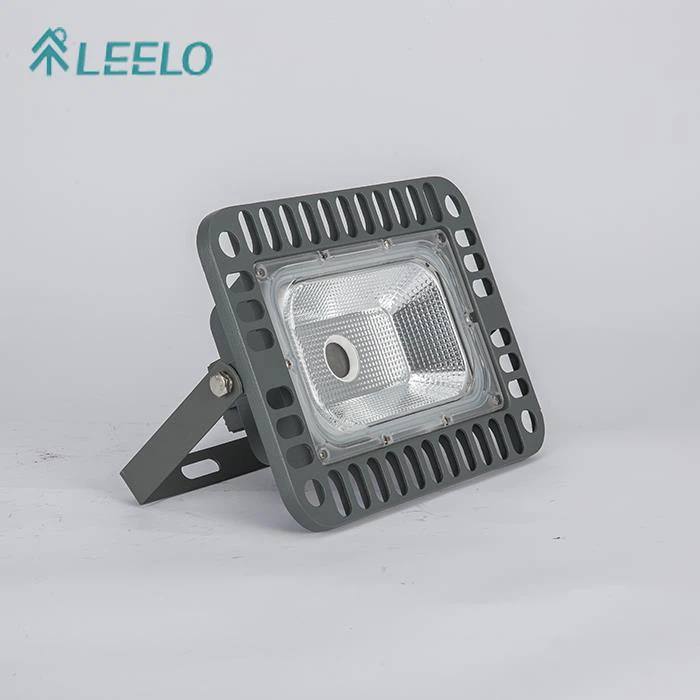

LED flood lights, which are commonly used as ordinary flood lights, are known for their energy - efficiency and low heat generation. This reduces the risk of fire hazards compared to traditional incandescent or halogen flood lights. Additionally, LED lights have a longer lifespan, which means fewer replacements and less maintenance, reducing the chances of electrical failures.
However, it's important to ensure that the flood lights are installed correctly and are compatible with the museum's electrical system. Any electrical work should be carried out by qualified professionals to prevent short circuits or other safety issues.
Cost - Effectiveness
Cost is always a factor when considering lighting solutions for museums. Specialized museum lighting fixtures can be expensive, both in terms of the initial purchase price and the long - term operating costs. Ordinary flood lights, on the other hand, are generally more affordable.
The 2017 New Design 50W 100W Die Cast Aluminum LED Flood Light Housing Only LEELO Brands offers a cost - effective option without sacrificing too much in terms of quality. LED flood lights consume less energy than traditional lighting sources, resulting in significant savings on electricity bills over time. Moreover, their long lifespan reduces the frequency of replacements, further cutting down on maintenance costs.
Flexibility and Adaptability
Museums often change their exhibits regularly, which requires a lighting system that can be easily adapted. Ordinary flood lights can be a flexible solution in this regard. They can be moved, adjusted, or added to as needed to accommodate different display layouts and lighting requirements.
With the right mounting hardware and controls, flood lights can be repositioned quickly to create a new lighting design for each exhibit. This flexibility allows museums to showcase their collections in the most effective way without having to invest in a completely new lighting system for every change.
Conclusion
In conclusion, ordinary flood lights can be used in museums, but with some considerations. While they may not offer all the features of specialized museum lighting fixtures, modern LED flood lights have come a long way in terms of reducing harmful emissions, providing controllable lighting, and meeting safety standards.
If cost - effectiveness, flexibility, and general illumination are the main priorities, ordinary flood lights can be a viable option. However, for exhibits that are extremely light - sensitive or require highly precise lighting, a combination of ordinary flood lights and specialized lighting may be the best approach.
If you're a museum curator, lighting designer, or someone involved in museum lighting projects, I encourage you to reach out to discuss how our ordinary flood lights can meet your specific needs. We're committed to providing high - quality lighting solutions and are happy to work with you to create the perfect lighting environment for your museum.
References
- Museum Lighting Handbook, International Council of Museums (ICOM)
- Lighting for Art and Architecture, by John Bullough and Elizabeth E. Newell